Common Conker Mistakes That Get You Knocked Out
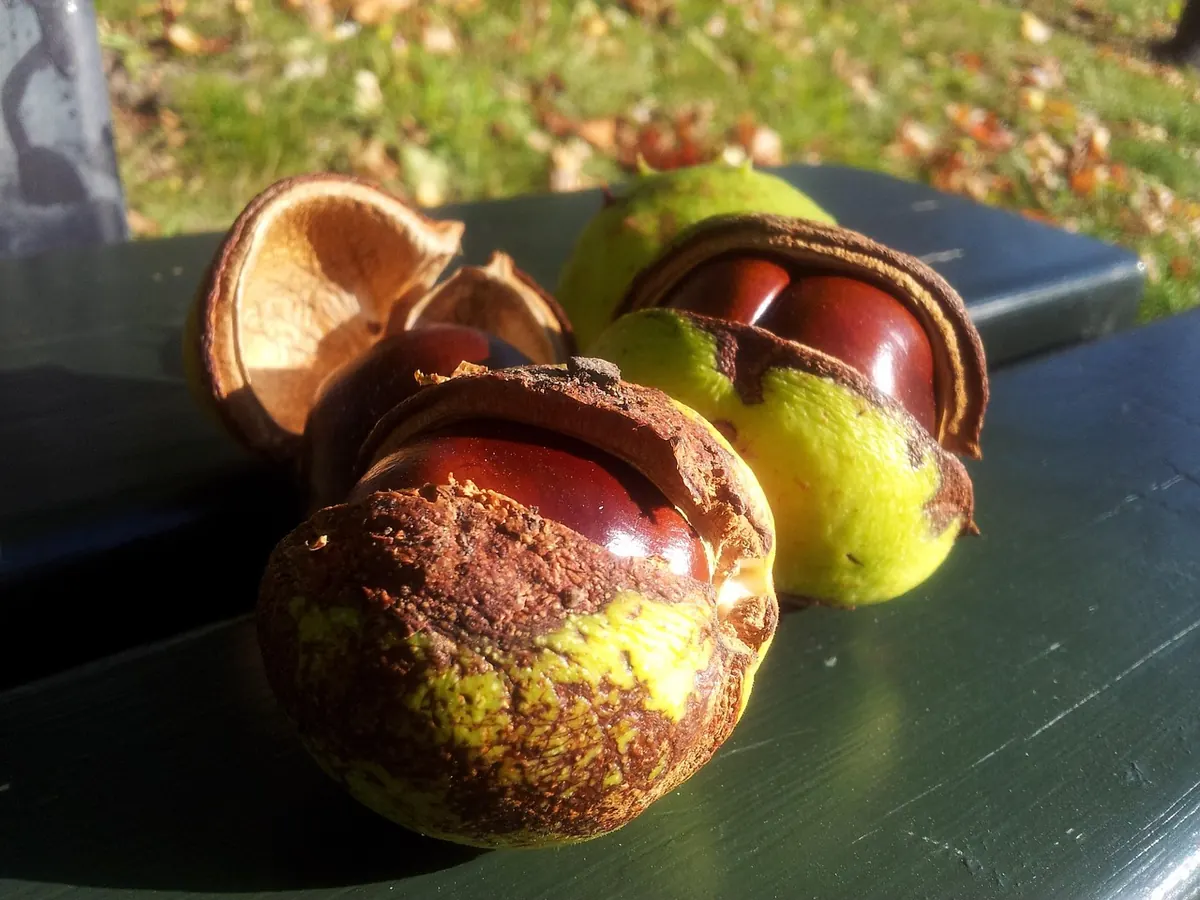
Conkers looks like a game anyone can win. Thread a chestnut, swing it, hope for the best. Then a beginner meets someone who has been playing for years and loses five conkers in an afternoon without landing a meaningful hit. The difference is rarely strength or luck. It is a handful of small, repeatable errors, and each one is easy to fix once you know what you are looking at.
Watch a good player for ten minutes and notice how little they seem to do. They stand still. They take short, tidy swings. They turn their conker over between turns and check it for cracks. None of that looks impressive, which is exactly why beginners copy the wrong parts: the big wind-up, the shouted challenge, the lunge that nearly takes out a bystander.
Picking a Conker That Will Survive a Hit
The most common mistake happens a week before the game. Beginners reach for the biggest, shiniest conker in the pile and assume that size means strength. Size helps a little; hardness and shape matter far more. A conker that feels heavy for its size, sits flat in your palm and has a dark, glossy, even shell will usually outlast one twice its volume that feels light and hollow. A tight, dense conker no bigger than a two-pence piece will often beat a showy one the size of a plum, and it is easier to swing accurately too.
Squeeze it gently. If the shell gives under your thumbnail, it is still green inside. Leave it on the grass to ripen, or find another. Then run your eye over the surface for tiny round holes. That pinhole is where a weevil left, and the inside is a hollow shell that will crack on the first clean hit.
Reject a conker if you spot any of these:
- A perfectly round hole, usually the size of a pinhead, often with a dusty rim
- A shell that flexes or dimples when pressed with a thumbnail
- Pale, waxy or greenish patches that feel soft rather than firm
- A flat, wafer-thin profile, however wide it looks from above
- Hairline cracks near the top, where the string hole will go
- A dull, powdery surface that flakes when you rub it
Seasoning is the quiet part of the game. Conkers firm up if you leave them somewhere cool and dry for a few days. Baking them, soaking them in vinegar or coating them in varnish are traditional tricks, and they are banned at many organised competitions, where conkers are checked and often have to be fresh. Read the rules of the event you are entering. In a garden, do whatever everyone agrees is fair, but agree it before the first swing, not after you have lost three in a row.
The String and the Knot
The second most common mistake is the string, and nobody thinks about it until it fails. Garden twine stretches, so your conker bounces away from the target on impact instead of staying put to take the next hit. Thin string cuts into your fingers and makes you flinch. A huge, lumpy knot sits proud of the conker and absorbs the hit that should have been your opponent's problem. Worst of all is the knot that unties itself mid-match, sending your best conker rolling into a drain.
What a workable setup looks like
- Use string that does not stretch, roughly shoelace thickness or a little thinner.
- Keep the length so the conker hangs about a hand's width above the ground when you hold the string at waist height. Too long and you hit the pavement; too short and you cannot swing.
- Drill the hole cleanly through the centre, top to bottom, so the string runs straight.
- Tie a secure knot below the conker, then check it by pulling hard before you play.
- Wrap the string over one knuckle only. Most rules allow a single wrap; more than that is a foul and a good way to break your own finger.
Test the whole thing before the game. Dangle it, swing it lightly against your palm, tug the knot. Thirty seconds of checking saves a lot of embarrassment in front of an audience.
Grip, Wrap and Tension
Beginners grip the string as if it is trying to escape. That is the third big error, and it costs you twice. A clenched fist sends every bit of shock straight up your wrist and forearm, so by the fifth turn your hand is aching and your swing is slowing down. It also dulls your feel for the hit. You cannot tell whether you caught the conker cleanly on the edge or just grazed it, and that information is what wins matches.
Hold the string lightly enough that it could be pulled out of your hand, but not so lightly that it slips. Let the conker hang and settle. When you swing, the tension arrives for a fraction of a second and then goes. Think of it as holding a bird, not a hammer.
Stance, Swing and Where You Aim
The heroic haymaker swing is the mistake that ends most beginner afternoons. It is slow, it is easy to read, it misses often, and when it misses your conker swings wide and hangs there asking to be hit. A short, snappy swing from the elbow and wrist is faster, more accurate and far harder to defend against. Accuracy beats power nearly every time.
Aim is the other half of it. Beginners aim at the middle of the opponent's conker, which is the thickest, strongest part of the shell. Aim instead at the rim, just off centre, or at the area around the string hole where the shell is thinnest. A glancing blow on the edge starts a crack; a dead-centre thump often just bounces off.
Two more small habits separate good players from everyone else. First, stand close enough that you can reach the target with a comfortable swing and no leaning. If you are stretching, you are missing. Second, keep your eyes on their conker rather than your own. It is tempting to watch your treasured chestnut travelling through the air, but the target is the thing you have to hit.
Do not hang your conker still and wait to be hit. A dead-still target is a gift. Keep it drifting in small, lazy circles between turns and make them chase it.
Between Turns: Reading Damage and Storing Your Conker
Good players treat every pause as intelligence gathering. While your opponent is resetting, look at their conker. Is there a fresh chip near the top? A hairline crack running down one side? If so, that is the side to attack next, and you should turn your own conker so its strongest edge meets that weak spot. A match is often decided by who notices the damage first.
Your own conker needs looking after as well. Rotate it in your hand every few turns so fresh shell faces the action instead of the same bruised patch. Keep it out of a hot pocket next to keys and coins, and never leave it sweating in a closed palm or a damp bag. If a crack appears, retire it and bring out a spare. Many players carry two or three seasoned conkers precisely because the first one will eventually go.
Fair Play, Rules and Practice
Before anyone swings, settle the rules. Agree on whether conkers must be fresh, whether hardening methods are allowed, how many wraps of string are permitted, and what happens when a conker is dropped. Organised competitions check all of this, and a conker that has been baked or varnished will be disqualified. Clearing it up in advance turns an argument into a game.
Finally, practise. Most people only ever play conkers in October, which means they never improve. Hang a conker from a branch or a doorframe and take twenty swings at it. Practise your knot until you can tie it in the dark. Play a few friendly rounds with your weaker hand to sharpen your footwork. None of this is glamorous, but it is the reason the person who beat you five times in an afternoon was standing so still.
Fix the conker, the string, the grip, the aim and the storage, and the game changes completely. You will still lose sometimes. You will just lose to better players rather than to your own small, avoidable mistakes.
Photo: MissSuss / Pixabay